British and Qing Invasions of the Tibetan State: Diplomatic Accounts, 1886–1950s, Section 2 in DTHS
This post continues my series sharing sections of my chapter in The Oxford Handbook of the Himalayas, edited by Amy Holmes-Tagchungdarpa, “Decolonizing ‘Tibetan’ and ‘Himalayan’ Studies: Empire, Ethnicity, and Rethinking Sovereignty” (hereafter, DTHS). Section titles on Lhakar Diaries have been slightly modified and may differ from those in the original publication in the Oxford Handbook. The chapter appears as Chapter 3 in the introductory section of the volume. The PDF is available for download through institutional login on the Oxford University Press website. Check the Lhakar Diaries home page to read the introduction and section 1 of this chapter.
***
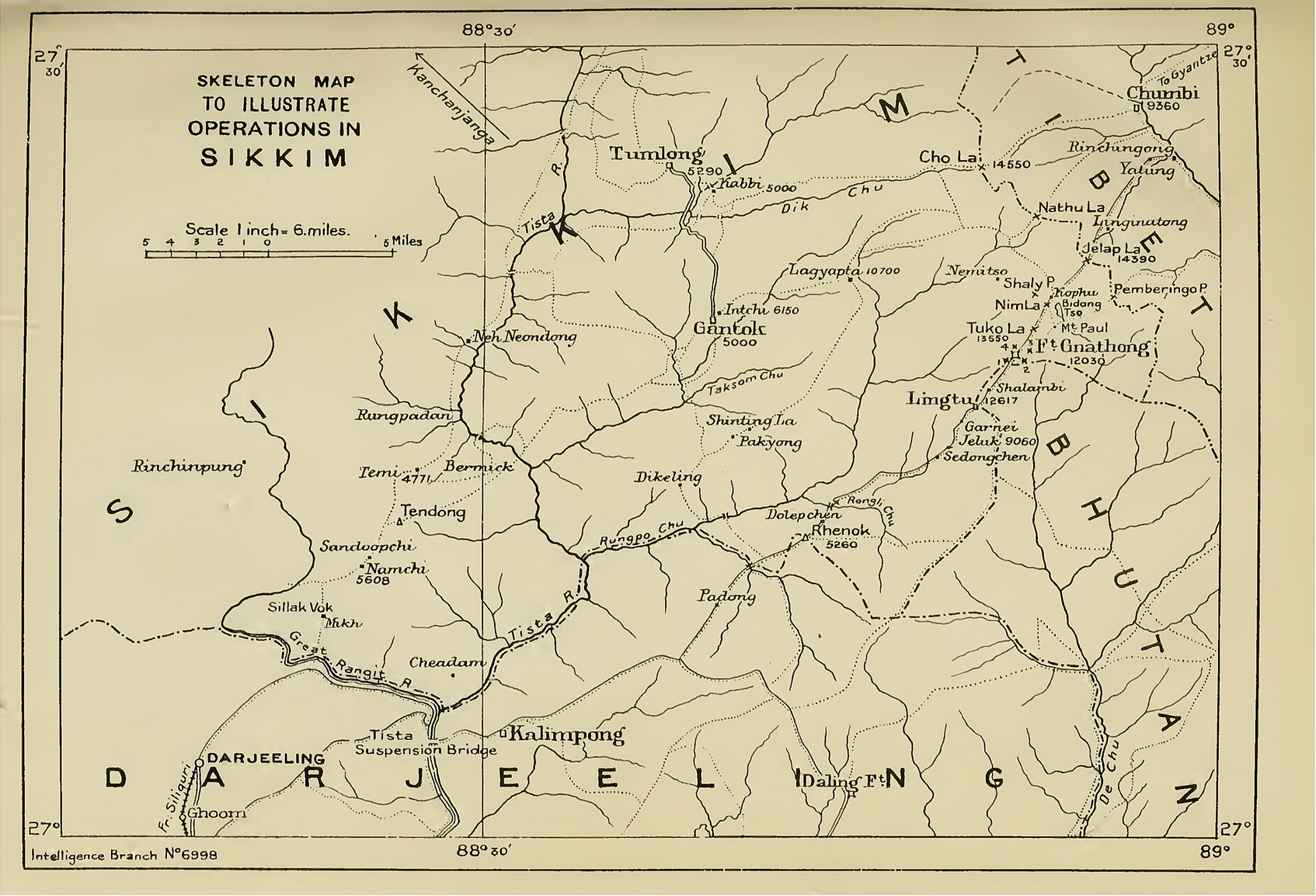
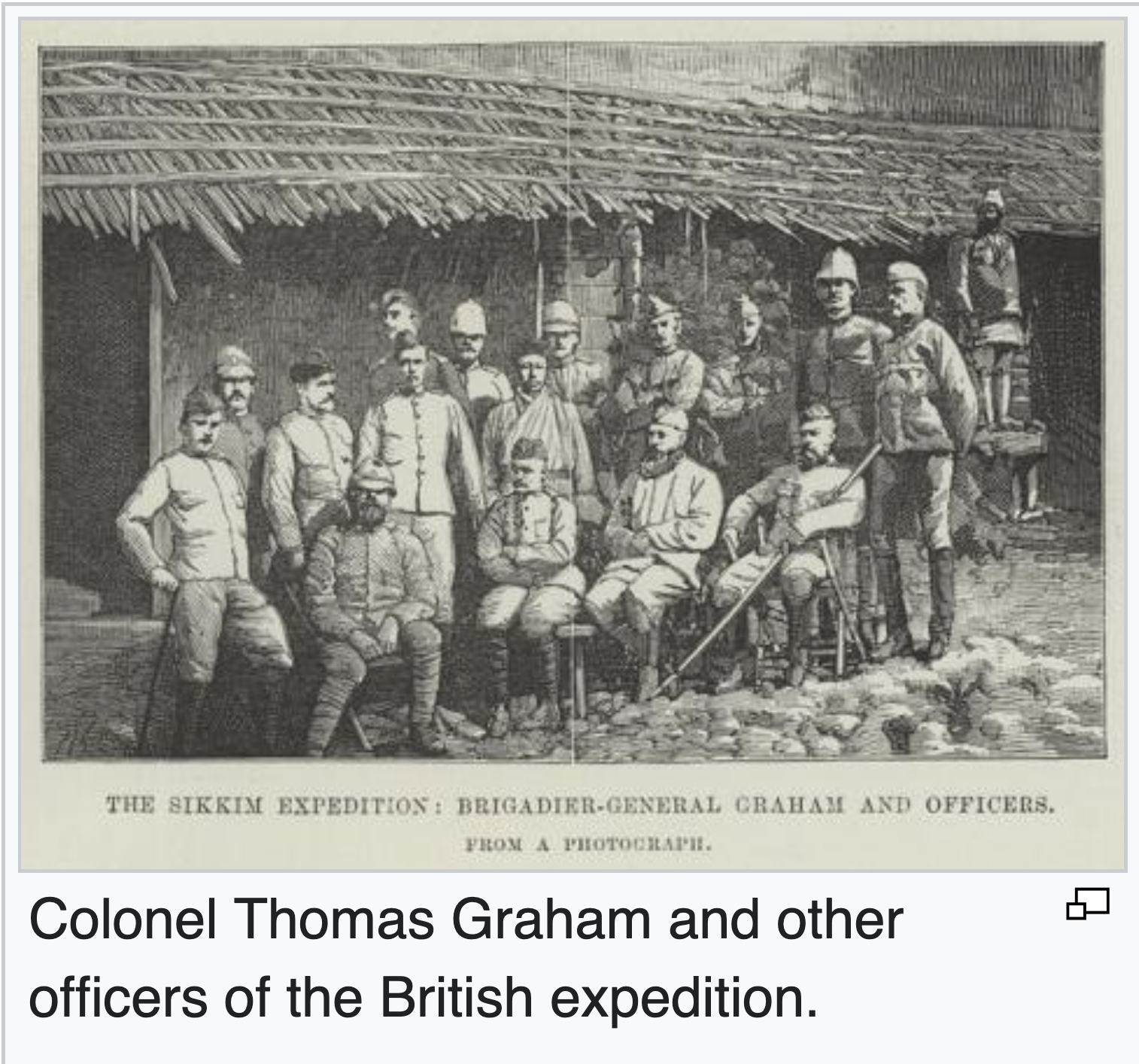
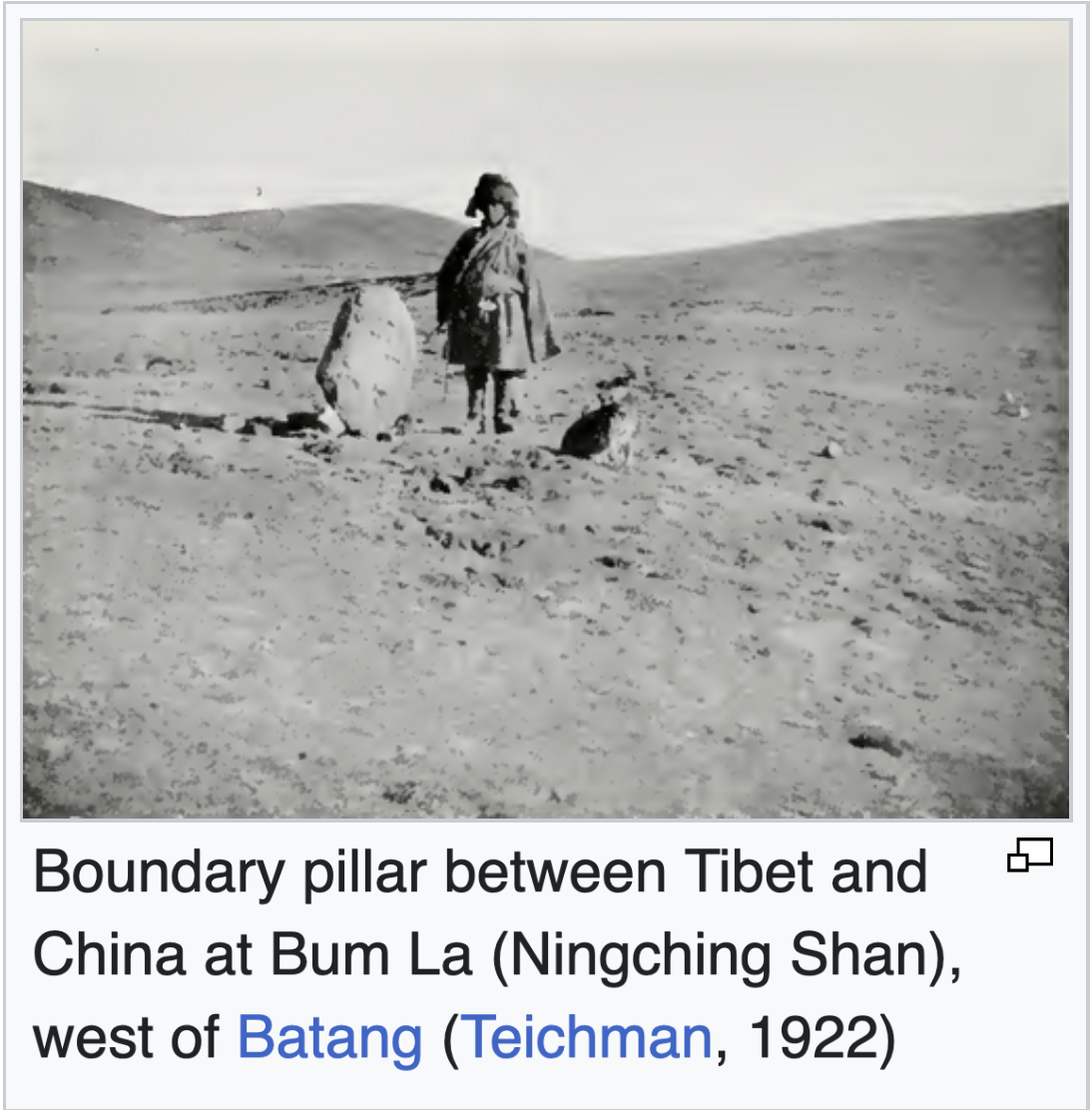
In the late nineteenth and early twentieth centuries, scholarship on Tibet produced by missionaries, diplomats, and spies was mined by British authorities to help them secure a foothold in the Tibetan market. Increased British commercial interest in Tibet led them to occupy parts of the Himalayan foothills. Such developments at the border did not go unnoticed by the Tibetan [government] in Lhasa. In response, Tibetans banned the British from crossing the border. The British responded by continuing to construct roads along existing Himalayan trade routes toward Tibet in Sikkim. In 1886, responding to increasing encroachment of Tibet’s border, the Tibetan government dispatched troops to begin constructing defensive walls along the border. Six months later, the British responded by launching the first military invasion of Tibet. Following Tibetan defeat, Sikkim was officially annexed by the British and led to treaty negotiations regarding the boundary between Tibet and Sikkim.19
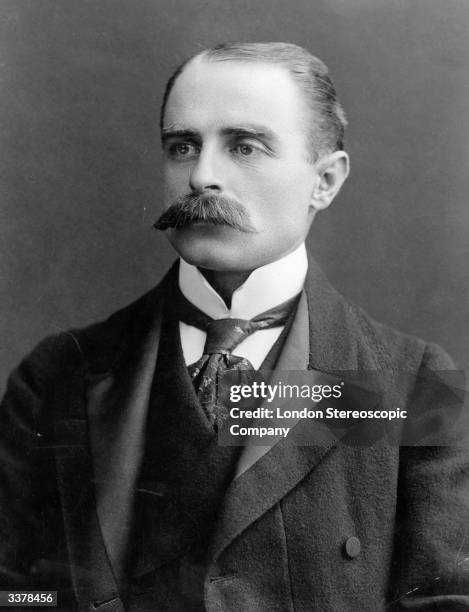
In 1904 due to growing suspicion that Tibet was becoming closer to Russia, and Tibetan refusal to allow British access to Tibet, the British invaded.20 Colonel Francis Younghusband was dispatched on a military expedition to enforce Lhasa officials into signing their treaty.21 The treaty forced the Lhasa administration to allow British commercial interests inside Tibet. Eight books by senior members of that expedition, including one by Younghusband himself,22 were published following their mission. The books detailed their military expedition, journey, and observations of Lhasa.23 Later, explorers Spencer Chapman and Heinrich Harrer published works recounting their journey and the people they met in Tibet.24 Such accounts of travel stressed the difficulty of the journey and the uniqueness of their experience. “What struck these writers,” according to Shakya, “was a combination of their personal fortitude and the exclusivity of their experience. When they wrote about the context of these exploits, it was to stress the ‘otherness’ and exoticness of the culture of Tibet, a place which they often characterized as sacred and mystical.”25 Much of this genre of writing framed Tibet in terms of its potential for adventure, mysticism, exploration, and personal experience.
Amid these largely superficial travel accounts, a few scholars provided more detailed accounts. Sir Charles Alfred Bell and Laurence Augustine Waddell produced analyses of Tibetan social, economic, and religious life. Both authors arrived in Tibet as British officers serving the interest of the British Empire. Waddell was the medical officer on the Younghusband mission to Lhasa. During his stay in Darjeeling, he purchased a Buddhist temple and studied its contents in the manner of cataloguing and published his findings.26 In contrast to Bogle, who thought Tibetans were noble, Waddell condemned Tibetans as savages whose superstition and backwardness necessitated a violent and colonial kind of intervention.27
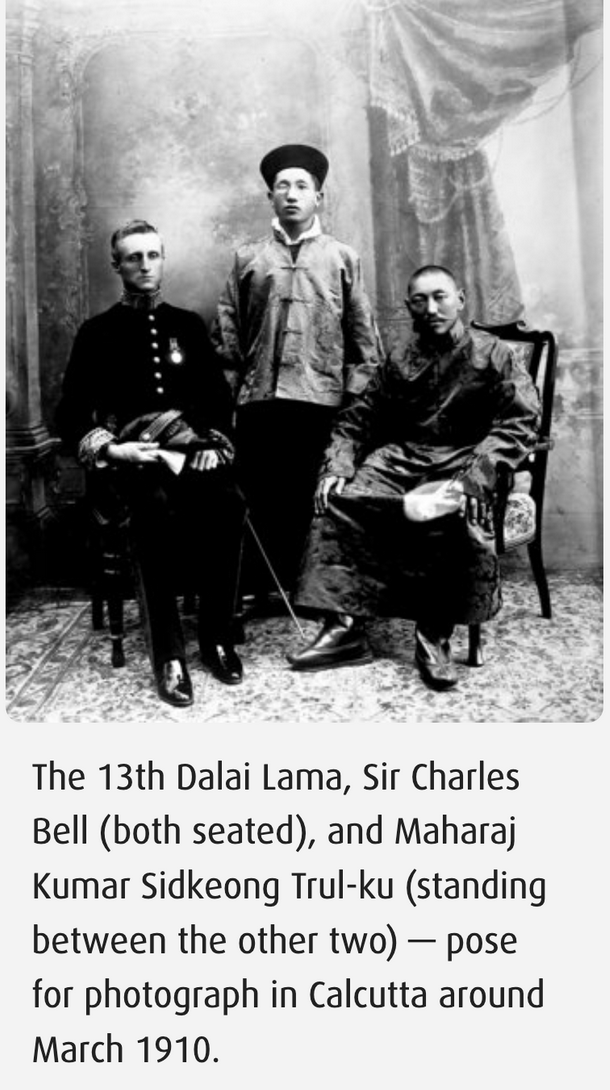
Compared to Waddell, Sir Charles Bell was more sympathetic. He was stationed in Lhasa for almost twenty years. Bell’s personal friendship with the 13th Dalai Lama informed his sympathetic biography of the Dalai Lama28 and detailed accounts of Tibetan history, society, and religion.29 Bell’s work became influential for developing scholarship on Tibet in the west. Waddell became a university professor in Britain and specialized on Tibet.30 Despite their scholarly value, the works of Bell, Waddell, and their contemporaries were inseparable from their imperial roles. Charles Bell and later Hugh Richardson, for instance, were responsible for the “political versus ethnographic” model of Tibet that Carole McGranahan argues facilitated the marginalization of Tibetan sovereignty in scholarship and diplomacy.31
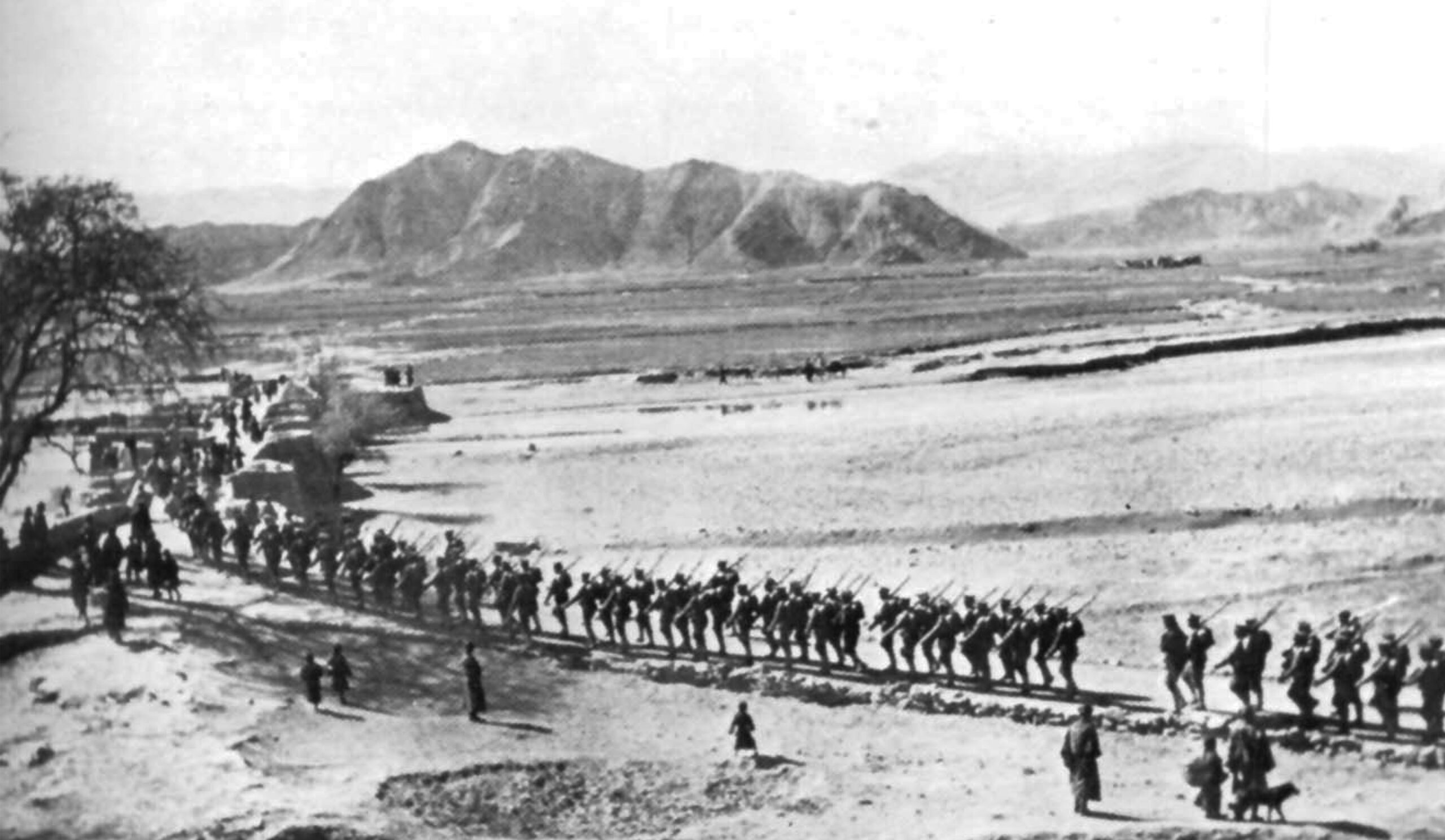
In 1910 the Qing launched a military invasion of Lhasa to establish direct rule in response to the British invasion of 1904. However, this invasion was short-lived due to the outbreak of the Chinese Nationalist Revolution of 1911 against the Qing. In response to both the British and Qing invasions, the 13th Dalai Lama proclaimed Tibetan independence in 1913.32 While these developments were mentioned in the publications coming out at the time, they were not written about in detail. Additionally, such military developments demonstrate the actual nature of imperial aggression against the Tibetan state and show how the very people leading such military expeditions became the expert figures who produced and developed Tibetan Studies as a disciplinary study in their respective countries, leaving lasting legacies of empire.
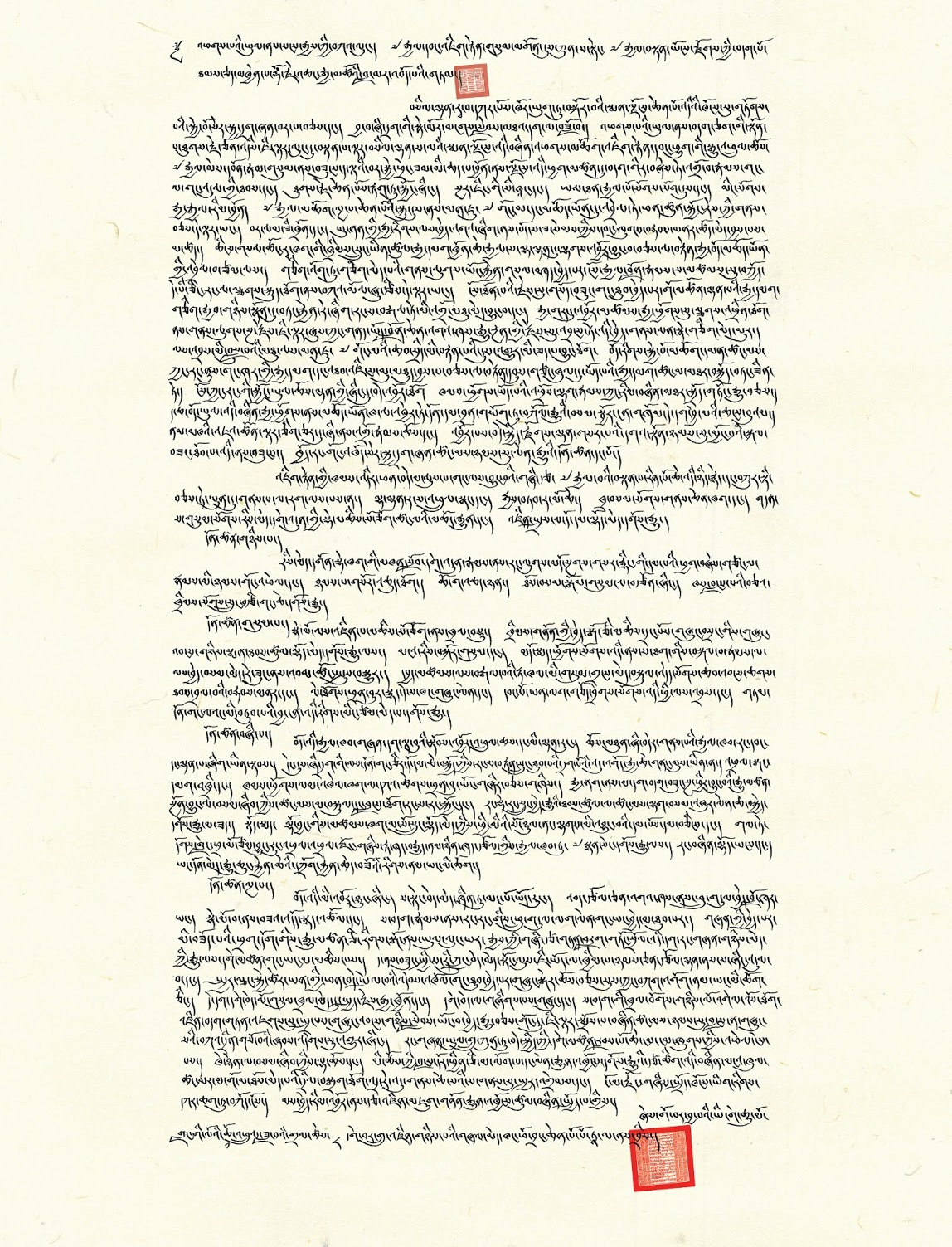
For the English translation of the 13th Dalai Lama’s proclamation of Independence, click here.