braid
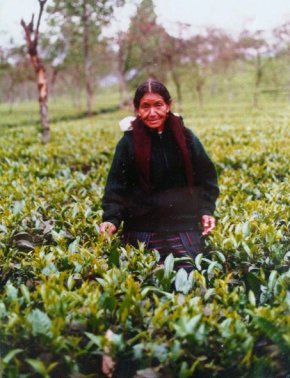
I often told myself stories of her. I took the scraps of memories my father would share and I would collect them, secretly. Slowly, she became almost real to me as I assembled… Continue reading
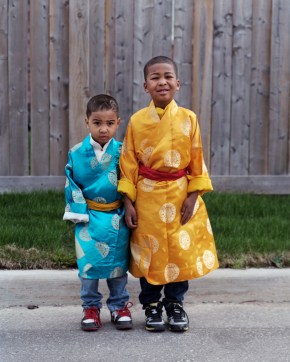
Hi everyone! Here is an exciting update from last week’s post regarding a gathering for Tibetans of mixed heritage! Please join us this summer in London for the very first gathering for Tibetans… Continue reading
Hi everyone! It’s time for the survey results from my last post aimed at all Tibetans of mixed parentage, like myself and my sister. Thank you to everyone who shared and completed the survey and… Continue reading
Hi and Happy New Year! It’s been a long time since I’ve done a post here on LD so I am pretty psyched that the subject of my first post in almost a year… Continue reading
(Guestpost by Tenzin Rabsang) Ever walked into a place where you are immediately captured by the enthusiasm and motivation radiated by people? A place that upon reminiscing, urges a release of emotions, convincing… Continue reading
(Guest post by Tsering Tsomo, Executive Director of Tibetan Center for Human Rights & Democracy) A black stone soaked in the river cannot be washed white. A white stone placed under the sun… Continue reading
I recall the winter when I rushed to the office at the Lower TCV School to purchase a copy of ‘CIA: Shadow Circus in Tibet’. It was the closure of the academic year… Continue reading
Gyatso’s talk wasn’t necessarily on the specifics of Tibetan medicine, she explores the social, cultural and political climate of the time frame she covers to understand the complexities involving the Tibetan society, demonstrating, what I call, Tibetan modernities (outside of western influence).
The struggle for visibility (documents) has always played a central role for Tibetans living in exile, especially for those living in India and Nepal. In this post, I look into this struggle that Tibetans in India face as newly arrived Tibetans from Tibet (second half) and Tibetans born and raised there (first half). During my stays in Dharamsala, India, I came across several different socio-cultural-political-economic phenomenons that have been emerging as a result of the lack of visibility for Tibetans living as, what I refer to as non-refugee refugees, in bureaucratic India. In the following, I take a closer look at one of these emerging intercultural phenomenon currently shaping the possibility of existing on paper for Tibetans especially from Tibet that bureaucratic India has yet to offer.